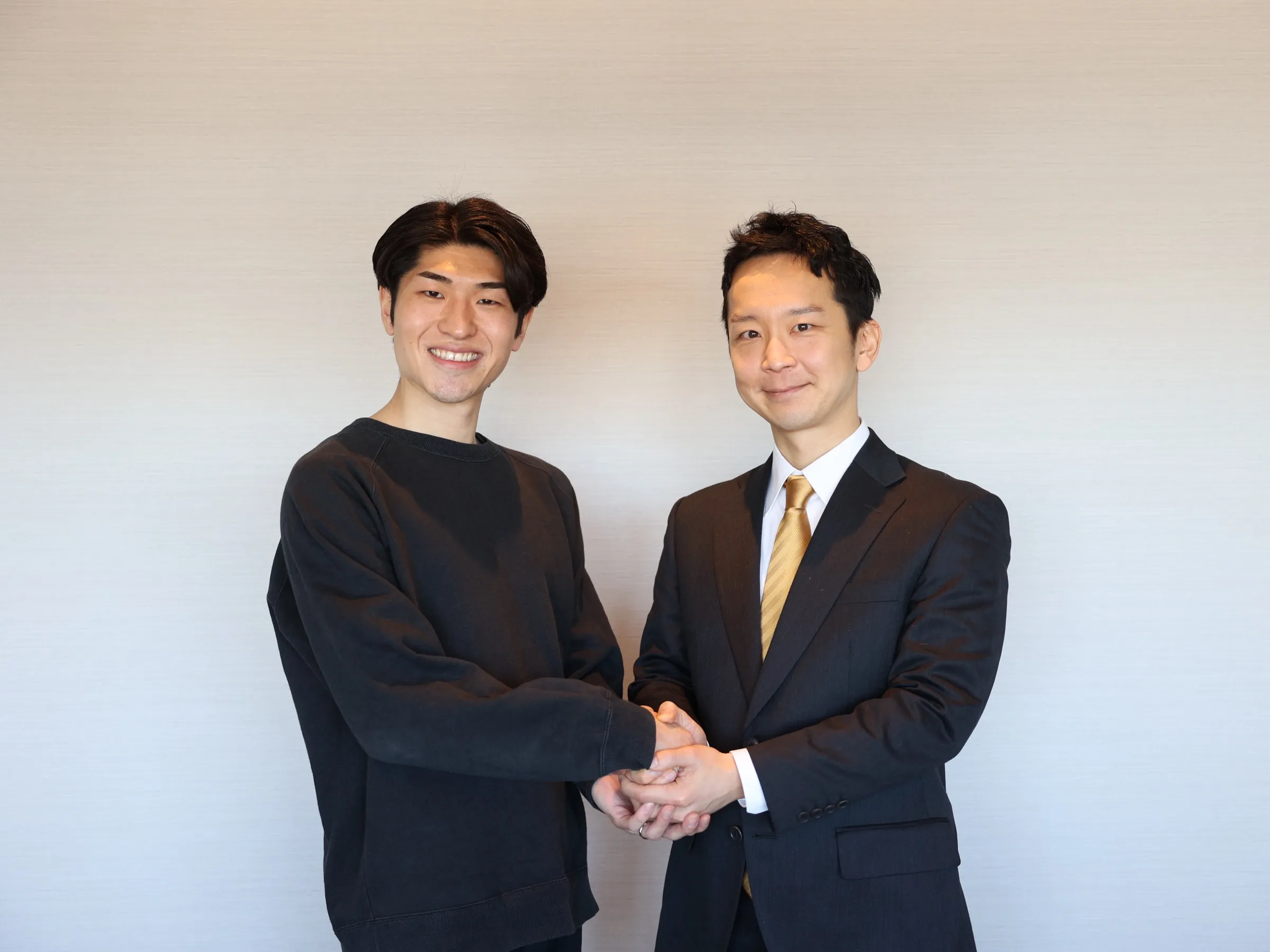
- Challenge
- When things on the ground did not go as planned, Naruse would end up venting frustration at people. The same reflexive pattern had kept repeating, whatever the role.
- Approach
- Six months of executive coaching. Rather than generic ideas of what an executive ought to be, the work began from a personal question — who do I want to be? — and put self-awareness into words, one piece at a time.
- Change
- From reflex to choice. The organization became one in which managers act on their own initiative, which led to improved productivity (profit margin) and revenue growth.
Introduction
There is no longer a single picture of a “strong leader.” Some leaders pull from the front; others listen quietly. As the times move faster and grow harder to read, more executives are asking themselves again what kind of leader they want to be. This case follows one Director & COO through six months that began with exactly that question.
Curiosity, and a challenge left untouched
Naruse worked at a large Japanese tech company, went on to lead a business after changing employers, and now serves as Director & COO. The first reason for starting coaching was curiosity. The second was a sense of a challenge that had not yet come to the surface.
“Many people who have had coaching say it was worthwhile. I had known that for a long time. But I had never been especially keen on coaching as something to do for my own development.”
The reason was clear: “I didn’t have a clear sense of what my own challenge was.” Yet when the coach offered to work together, another thought crossed Naruse’s mind. Asked whether there was any challenge — as an executive, and as a human being — the honest answer was yes.
“I would feel anger when a situation didn’t go the way I wanted. At work there were moments I regretted — ‘I didn’t want to say it like that.’ It was a pattern that had repeated itself many times throughout my life.”
Here was a challenge that had long been on Naruse’s mind but had never been addressed. In the end, the coaching led to an organization in which managers act on their own initiative, with results that included improved productivity (profit margin) and revenue growth. Perhaps surprisingly, though, the start was slow.
Coaching began, but not smoothly
The first and second sessions ran into an early wall. Naruse looks back:
“I felt keenly how hard it is to put my real challenges into words for another person. Laying my own desires and worries bare to someone else was not something I was good at.”
There was also the question of how candid to be with a coach who was already a personal acquaintance, and how to make use of the time. It was a period of searching. Neither the self-disclosure nor the naming of the challenge was getting anywhere, and in that state no path toward change was in sight.
The turning point came near the end of the second session. Two realizations took hold in Naruse at the same time.
The first was taking ownership. The coaching had begun at someone else’s invitation, but along the way Naruse asked themselves a question:
“The coach was setting aside real time for this. Who was this time for? Spending it on half-hearted self-disclosure would be a waste. It would be meaningless. That’s what I realized.”
The second was a shift in the relationship, prompted by something the coach said: “If our relationship makes this hard, we can end the personal side of it from here on and work together purely as coach and client.” The moment Naruse heard this, something changed.
“Sensing the coach’s resolve made me want to face myself more honestly, too.”

An answer to “What kind of person do I want to be?”
From the third session on, the theme shifted significantly: from the general question of what an executive ought to be, to a far more personal one — what kind of person do I want to be?
“What kind of person I want to be is also at the heart of what kind of executive I want to be. But I had to admit that the person I was then was a long way from it.”
One by one, Naruse put into words “the parts of myself I dislike.” That challenge showed up in very concrete situations.
“In a company, you aim to keep the business moving forward in good shape. But unexpected operational errors and problems come up every day. That’s normal in business. The issue was how often. Not now and then — there were literally problems every single day.”
Each time, Naruse would press the managers: “Why has this happened?” The intent was to get to the cause and prevent it from happening again. Beyond that, Naruse was gripped by a feeling that loose operations were “unacceptable.” And because Naruse was also aware of the responsibility, as an executive, for not yet having built sound operations, the frustration turned inward as well, into a kind of self-disgust.
“Feeling irritated at whatever was happening, and taking it out on people. That was the part of myself I disliked most.”
At the root of it lay a wish. Naruse wants employees to feel that the time they spent working at this company was the best period of their lives. The irritation came from acting in exactly the opposite way to that wish.
“Thinking back, when I was training new hires at the company I joined straight out of university, the same pattern of behavior damaged those relationships. Now I was in a different position, as an executive, facing different challenges, and I realized the same pattern was playing out again.”
Roles and circumstances had changed, but the underlying mindset and patterns of thinking had not. The coaching brought this into sharp relief.
“Talking with Murakami, the coach, I sometimes catch myself wondering, ‘Why am I saying this much?’ And when Murakami asks me about what I’ve said, from an objective standpoint, the weaknesses I had been avoiding come into view right in front of me. It is uncomfortable, of course. But what I found interesting is that an even stronger wish to get past those weaknesses comes up.”
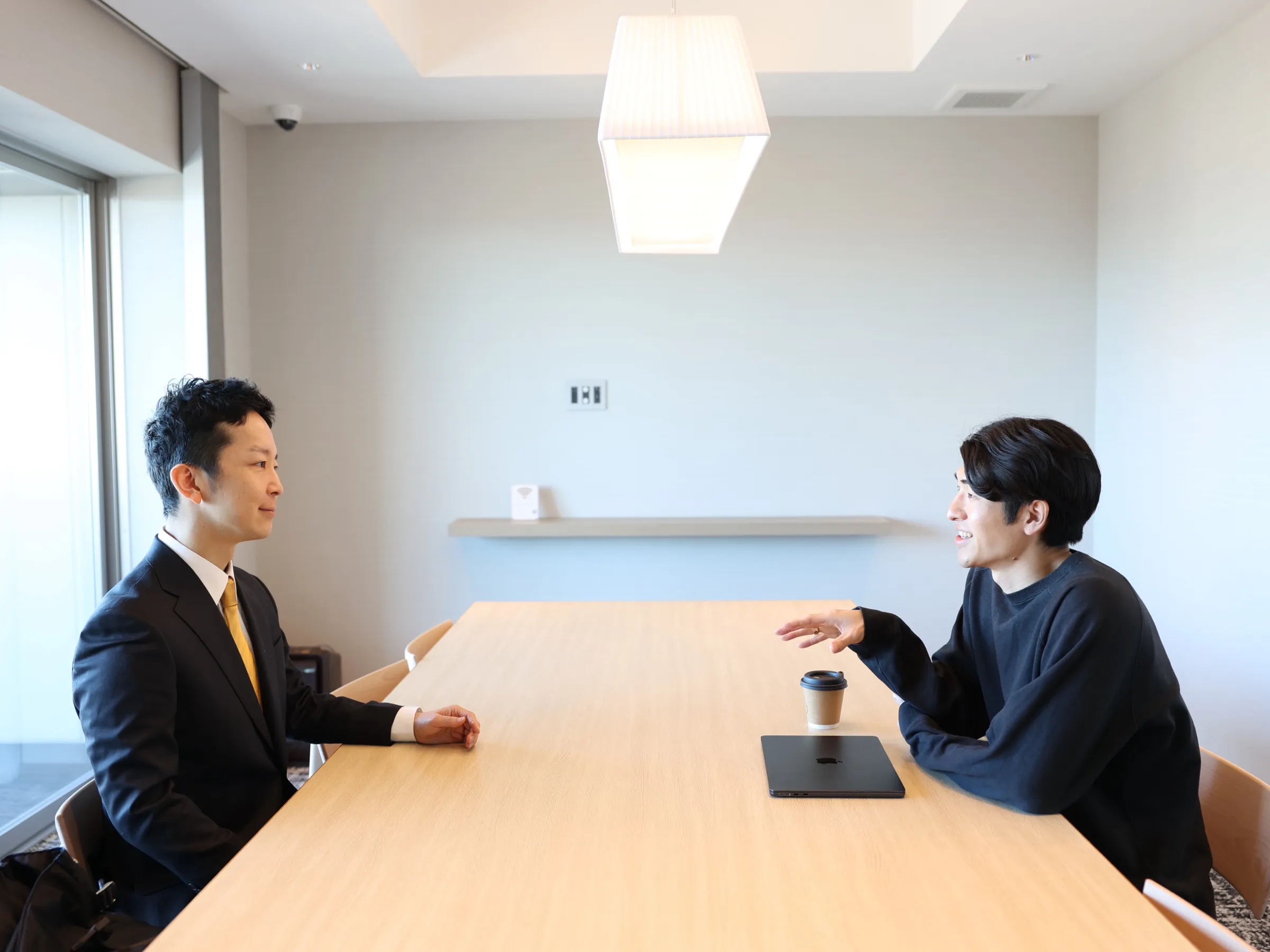
From reflex to choice — in the short term, and the long term.
Having recognized these parts of themselves in coaching, what changed for Naruse when the same thing happened back at the company?
“Of course, it didn’t change easily. First, reflexively, the question and the irritation still rise up: ‘Why is this happening?’ But the first change was that I became able to notice my own state objectively.”
No more pressing people on the spot. Instead, Naruse became able to say calmly, “There’s no rush — let me know the reasons and background later.” In response, staff reportedly began to handle things more calmly and constructively as well.
“My words and my actions became the starting point from which the organization changed. That was the clearest change.”
But Naruse was not content simply to hold back emotional reactions. The sharp eye of that “self I dislike,” the urge to track down causes, was turned toward building constructive systems.
“Build systems that keep the short-term problems on the ground from happening — with the right heart and a calm head. As the number of short-term problems went down, my thinking naturally turned toward the future. I found my mind going more and more to the long-term question: ‘How do we create an environment where everyone can fully unleash their talent?’”
Holding the short term and the long term together. This was not mere emotional control; it lifted Naruse’s perspective on managing the organization to a higher level.
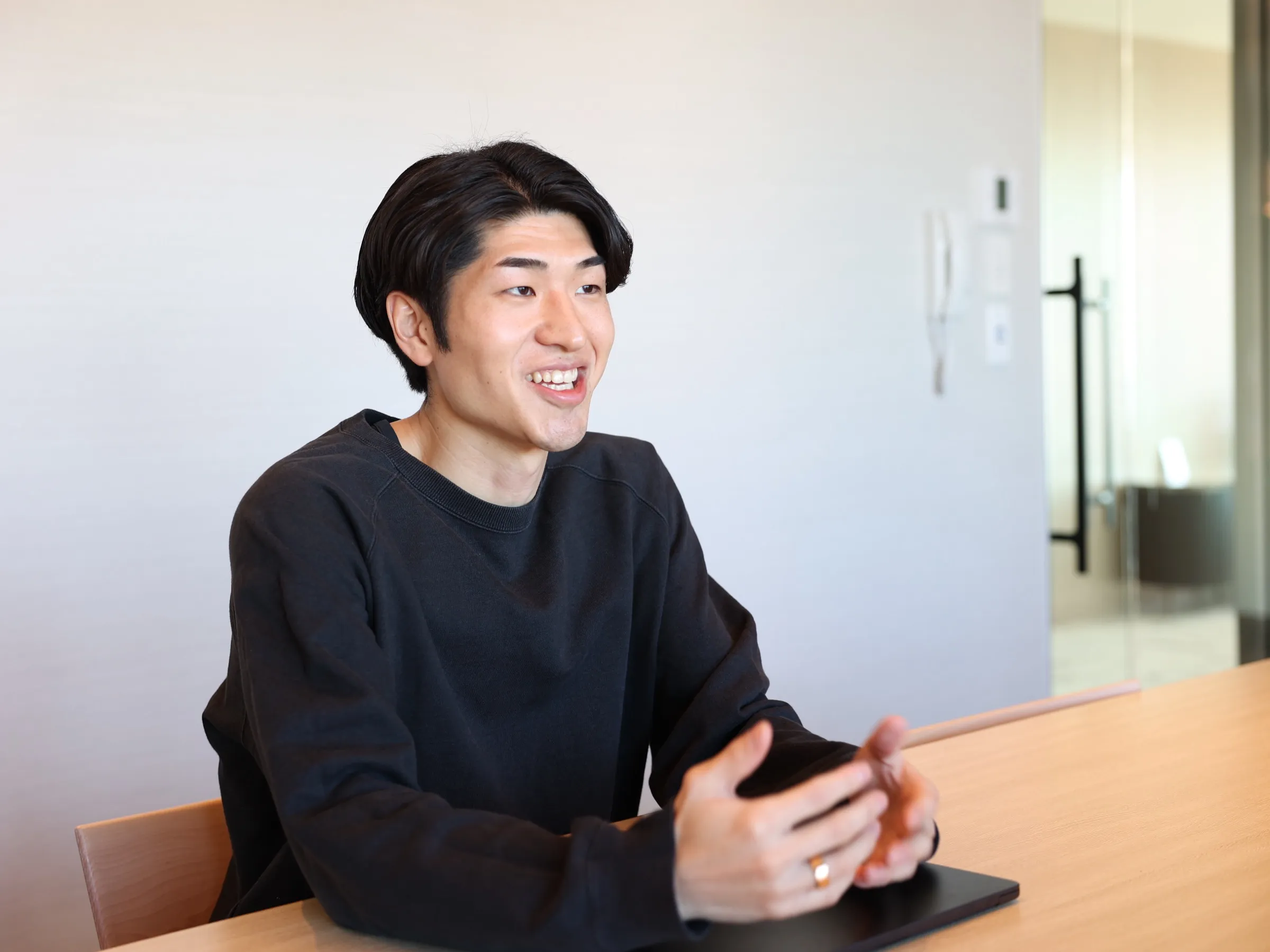
The shift in Naruse’s communication brought two major changes to the organization.
First, managers’ messages became self-initiated and carried real intent, and an atmosphere emerged in which people were not afraid of criticism or failure. They began speaking up and making bolder proposals. Managers created work themselves, acted on their own initiative, and brought their team members into new work. A virtuous cycle took shape, with the whole organization moving forward.
Second, Naruse’s own shift in thinking — not being thrown by the short term, and building for the long term — influenced how the whole organization thinks. Managers’ thinking moved away from seeing issues as “my own (personal) problem” and toward seeing them as “a problem with the system.” Everyone’s energy and resources came to be directed toward building up the organization’s real capability, and this showed up in business results such as improved productivity and higher revenue.
“In the end, I felt firsthand how my own change made the organization stronger and stronger.”
Naruse’s philosophy of life
None of these changes in the organization was an accident. They were Naruse’s own philosophy of life, given concrete form in the organization through the inner change and practice that took place during coaching. That philosophy rests on Erich Fromm’s The Art of Loving. For the past five or six years, Naruse has returned to the book from time to time as one of a few personal bibles.
“What does a business exist for? It may sound commonplace, but I believe it exists for society. To put it in more essential terms, though, it exists out of ‘love for the world, and a wish for our customers’ success.’”
According to Fromm, you cannot truly love just one person while being unable to love others. Naruse applies this idea to management.
“That’s why I want to be someone who can value and love the people I work with. And in fact, I do care about every one of our employees. I feel that from the heart, as an executive and as a human being.”
Some time after the coaching had ended, looking back on it again, Naruse arrived at one significant realization.
“Over this past year I have come to feel strongly that expanding my capacity as a person may be the enduring theme of my life. In coaching, you turn toward your weak points. You improve and move forward. In the end, that is what I am aiming for in life.”
In response, the coach shared a personal view: “The expression that fits best for me is ‘transcend and include.’ Not shutting out your past self, but becoming someone who can hold it within something larger. If you can accept your weaker self, you can accept others too. Then you can act more freely, without being caught up in your emotions or thoughts.” Naruse, agreeing, took the idea further:
“That’s why, first of all, I have to make the company succeed. Keep generating profit over the long term. I want our employees to feel that choosing this company was the best choice they could have made. Caring about everyone includes being committed to making the company succeed.”
The “success in the lives of team members” that Naruse has in mind has many sides: financial success, progress in private life, learning and growth. Naruse hopes that everyone’s life moves forward on each of these fronts. At the same time, Naruse looks back with a clear eye.
“If this year had only been a story of ‘everyone changed so much’ and ‘the company changed,’ that might have been ideal. But in reality there were difficulties on a completely different level.”
In the course of changing the organization, some people left the company and others took leave. It was a year of learning that included those events too.
“Now I don’t rush. A person may have good qualities that I simply haven’t seen yet. Without rushing, I am focusing on building a good relationship and good collaboration together.”
Conclusion: acting by choice, not by reflex
This case has described how one executive, through executive coaching, faced their inner self and changed their leadership style, and what that change brought to the organization. The key points are as follows.
- Naming the challenge concretely: putting a challenge that had been abstract into words as concrete patterns of thought and behavior
- Changing behavior: moving from reflexive reactions to communication by choice
- Impact on the organization: greater manager engagement and stronger systems thinking
- A maturing philosophy of life: grounded in Fromm, a view of leadership as “transcend and include”
“Growing as a person may be the enduring theme of my life. Everything comes down to how you face yourself.”
As an executive, hoping for the organization to grow. At the same time, as a human being, continuing to face oneself. Acting by choice, not by reflex. Each of those choices moves the organization.
Finally, we asked Naruse which executives they would recommend coaching to.
“Executives who lead an organization of a certain size. As headcount grows to 30, 50, 100 people, the number of managers and leaders grows too. The greater the impact of your every move, the more valuable coaching becomes. The hard side, such as hiring criteria and organizational systems, is essential. But what spirit do you put into those structures, and how do you run them? I see coaching as most useful at the moments when your own mindset and way of thinking are being tested.”
“And executives who want to grow their business and organization further, and believe that this requires changing themselves. The business is growing steadily, but they sense that something is needed to grow beyond this point. They can see the cause as their own issue, and believe they need to change their own capabilities and leadership.”
Editor’s note: from the coach’s perspective
“I want to stop interrogating the people on the ground.” It is a concern I hear from many leaders. Yet it is also true that this very sharpness has been the force that carried the business. And in the name of “self-reflection,” cutting away your commitment to quality — part of who you are — as if it were simply a flaw, is not the best path.
What Naruse accomplished in these sessions was a personal update: refining that commitment from an “emotional reflex” into “a system that moves the organization.” Not rejecting the past self, but giving its strength a new form and setting it running again. That experience of inner change brought the organization a great deal of energy, and a quiet evolution. I hope this piece offers a hint toward the next step for leaders who wrestle with themselves day to day while aiming higher still.